
Dyan E. Connelly, PhD
Licensed Clinical Psychologist | California: PSY34498
Hello, and welcome!
“We think too much and feel too little”
I’m Dr. Dyan E. Connelly (she/her), a born and raised New Yorker, and long-suffering Mets fan. I spent 30 years in NY before moving to Berkeley, CA for grad school, and falling completely in love with California. I think I carry both places with me. The directness and the warmth. The grit and the openness. Growing up in a place where the whole world lives side by side shaped how I see people, and it’s still at the center of how I practice.
My work is evidence-based, drawing from cognitive-behavioral, mindfulness, and acceptance-based approaches. But I’m usually less interested in forcing people into rigid frameworks than I am in understanding the patterns that keep showing up and finding different ways to respond to them. What I want is a space where you can stop performing and be honest about what’s actually happening. That’s the part I care about most. Your history, where you come from, the ways the world has shaped what safety and vulnerability mean for you. All of it matters here, and none of it is ever beside the point.
My Philosophy & Approach

Bridging the Spaces Between
I think much of our healing happens in the spaces between—between you and yourself, between you and the people who matter to you, and between you and the life you actually want. These are often the places where people start to feel stuck, or disconnected from themselves and the people they love.
We’ll look at the patterns that keep you disconnected in these 3 areas, figure out what’s holding them in place, and find different ways to respond. Here’s how I think about each one:
the space between us & ourselves
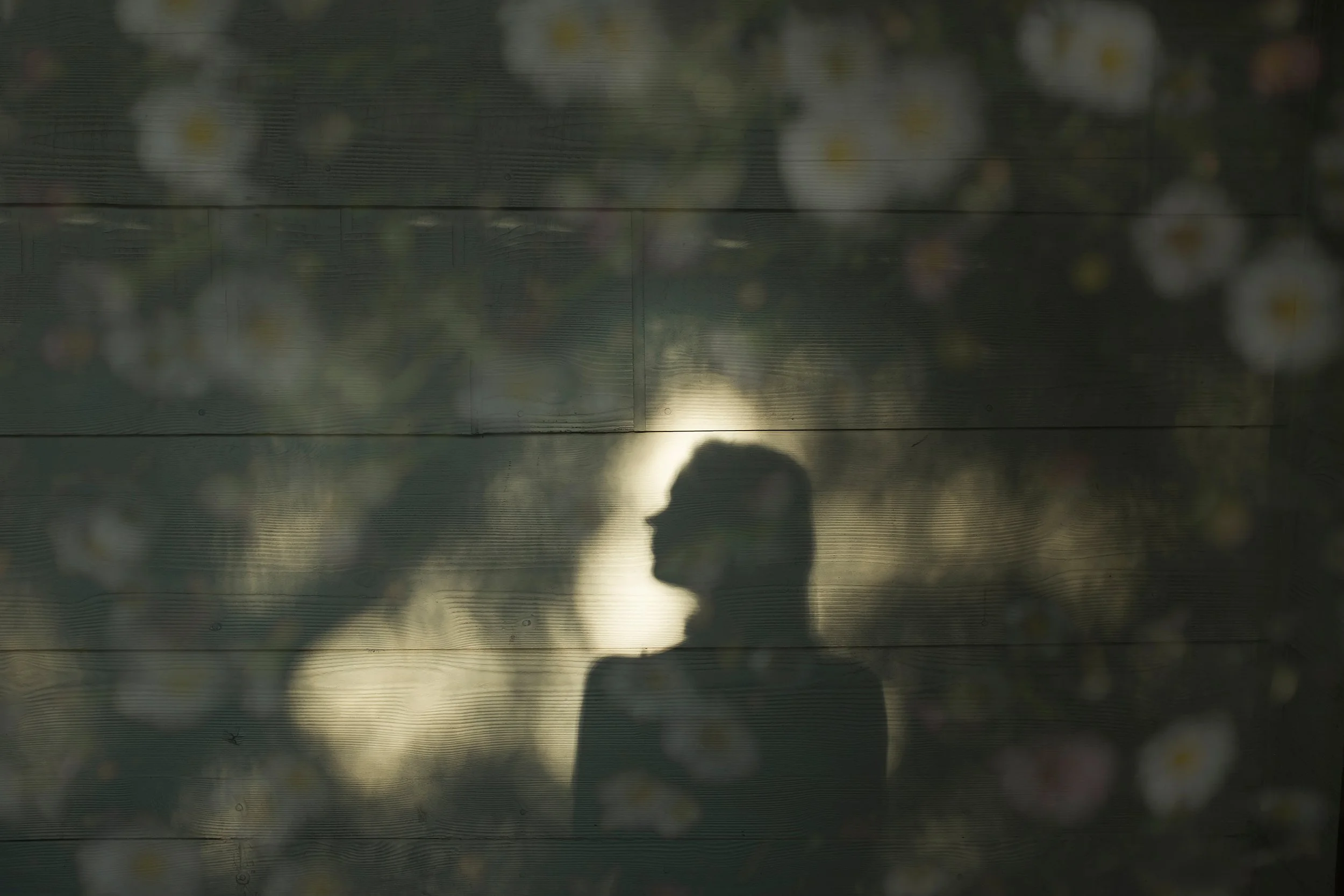
Stress, trauma, and daily demands pull us out of our bodies and away from what we value. We stop noticing what we need, what we feel, what actually matters. Rebuilding that awareness of your body, your emotions, what you care about is some of the most useful work therapy can do.
So we’ll pay attention to what’s happening by slowing things down and noticing what happens in your body, your relationships, and your day to day life. We’ll explore how your early life experiences and relationships shaped the way you see yourself and move through the world. Understanding the why behind some of your beliefs and reactions can often bring clarity, self-compassion, and a little less shame. We’ll also look at the ways you learned to protect yourself, which ones still help, and which ones may no longer serve you. And we’ll get clear on what you actually do value, so it can guide what you do next.
the space between us & others
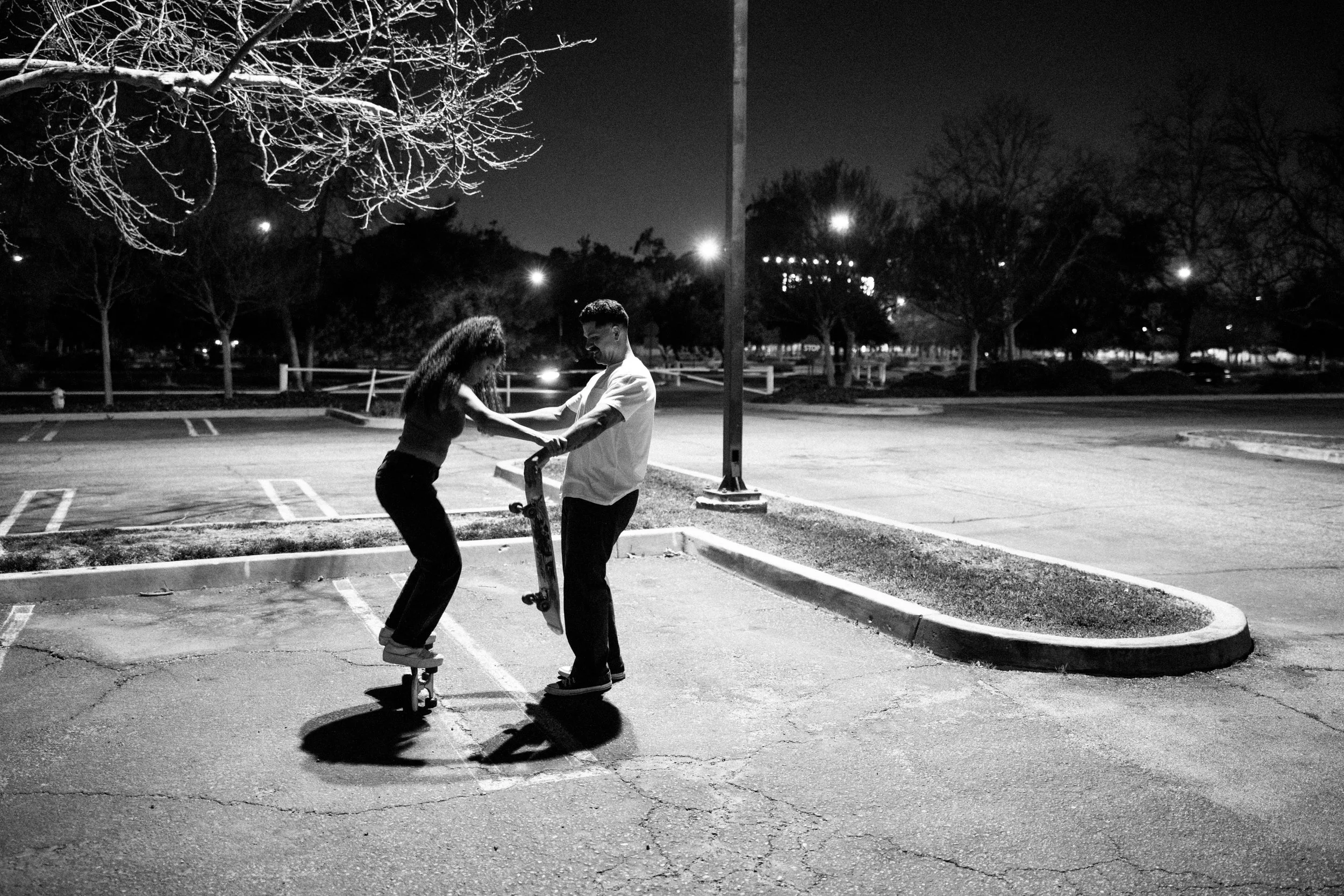
I think the space between people is where a lot of meaning gets made. My graduate training and research shaped how I understand this, particularly work on emotions, communication, and positivity resonance showing that small moments of connection, feeling listened to, understood, emotionally safe, or able to laugh together, can shape how close and secure we feel in relationships.
We’ll work on communicating vulnerably, managing defensiveness, and moving through conflict without losing the relationship. You’ll practice shifting from a “you vs. me” stance into a stronger sense of “we” and build relationships where you don't have to lose yourself to maintain them. We’ll also work on recognizing signs it’s okay to lean in, when to establish boundaries, and how to tell the difference between relationships that are genuinely safe and ones that just feel familiar.
the space between us & life we want
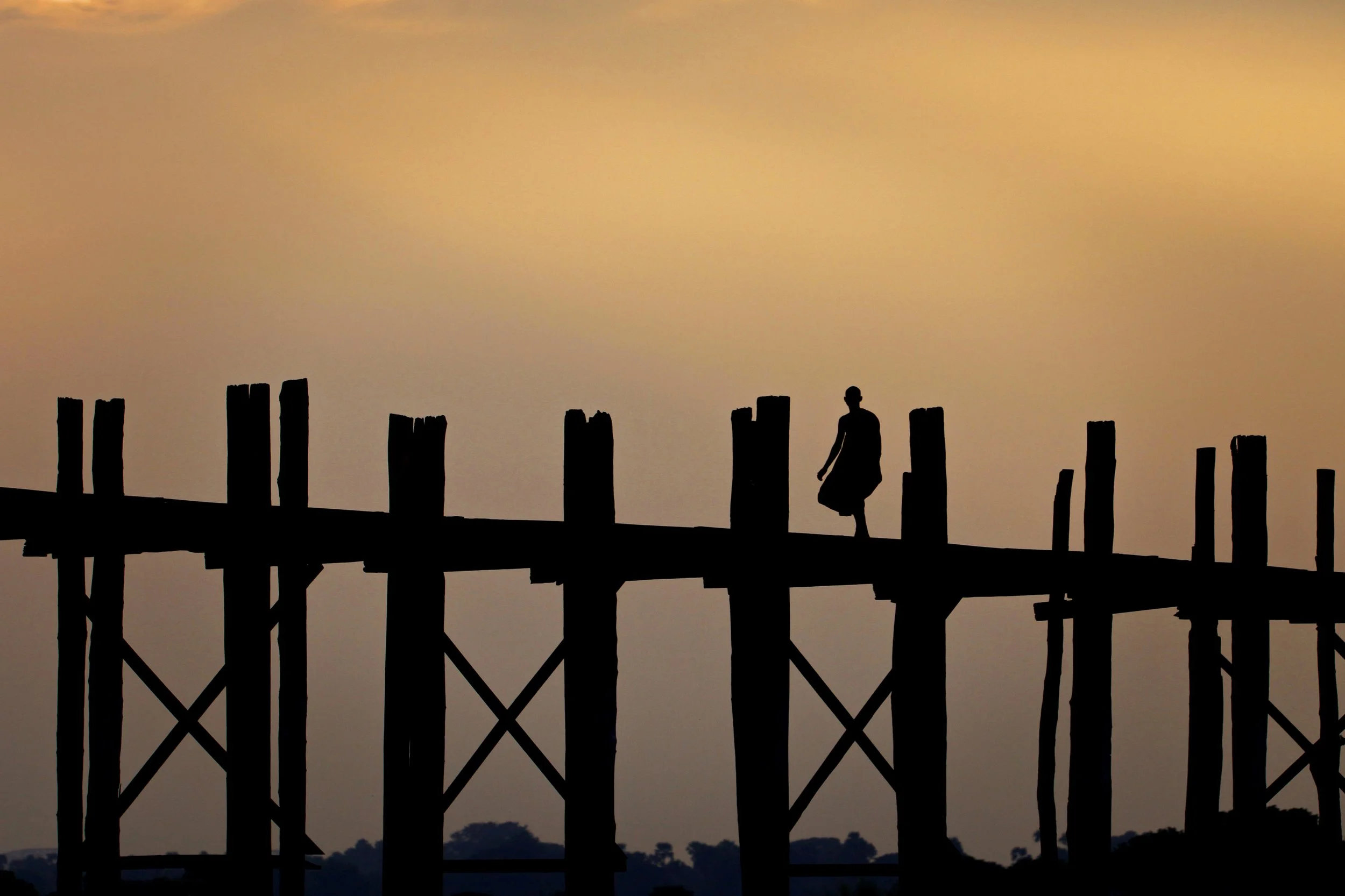
What often keeps people from the life they want isn’t a lack of insight. Usually it’s fear, anxiety, self doubt, or the urge to avoid discomfort until things feel safer or more certain. The problem is that avoidance tends to take us further away from the life we want.
We’ll pay attention to the patterns that keep you stuck, the overthinking, harsh self criticism, shutdown, avoidance, or constant “what ifs” and work on responding to them differently. That might mean practicing tolerating uncertainty, taking small risks before you feel fully ready, or learning how to move toward what matters even when anxiety is still present. The goal isn’t to get rid of fear completely. It’s to recognize that anxiety may mean something is important or meaningful to you, so that you can decide what to do next.
Education & Training

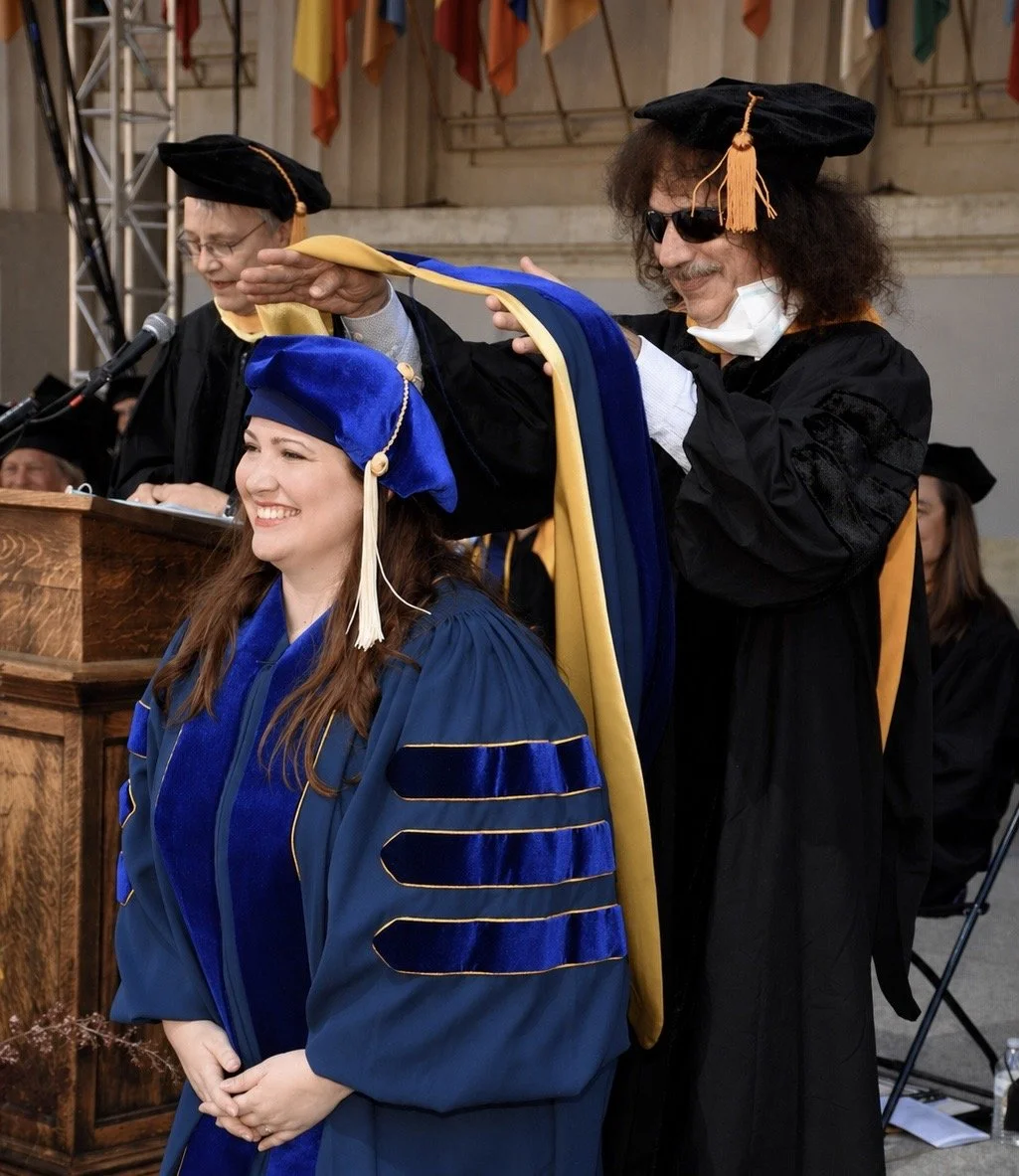
I earned my PhD in Clinical Science from UC Berkeley, where I studied emotion, communication, and close relationships in the Berkeley Psychophysiology Lab under Bob Levenson. My research focused on what happens in the small moments that can bring people closer together or push them farther apart. I also was selected as a Greater Good Science Center Fellow, which deepened my interest in connection, relationships, and the conditions that help people thrive.
I completed my predoctoral internship and postdoctoral fellowship at the VA Greater Los Angeles and VA Long Beach Healthcare Systems, where I received advanced training in evidence-based treatment for trauma, anxiety, insomnia, and the struggles that don’t fit neatly into categories.
I continue my work today with our nation’s heroes at the West Los Angeles VA, work I care a whole lot about. Many of the Veterans I work with joined the military looking for purpose, structure, or a way forward from difficult beginnings, only to come home carrying experiences that made it a struggle to reconnect with other people or settle back into everyday life. It is a privilege to get to do this work, and I’m grateful to the Veterans who allow me to be part of it.
research background
-

Where I started
NYU Family Translational Research Group
-
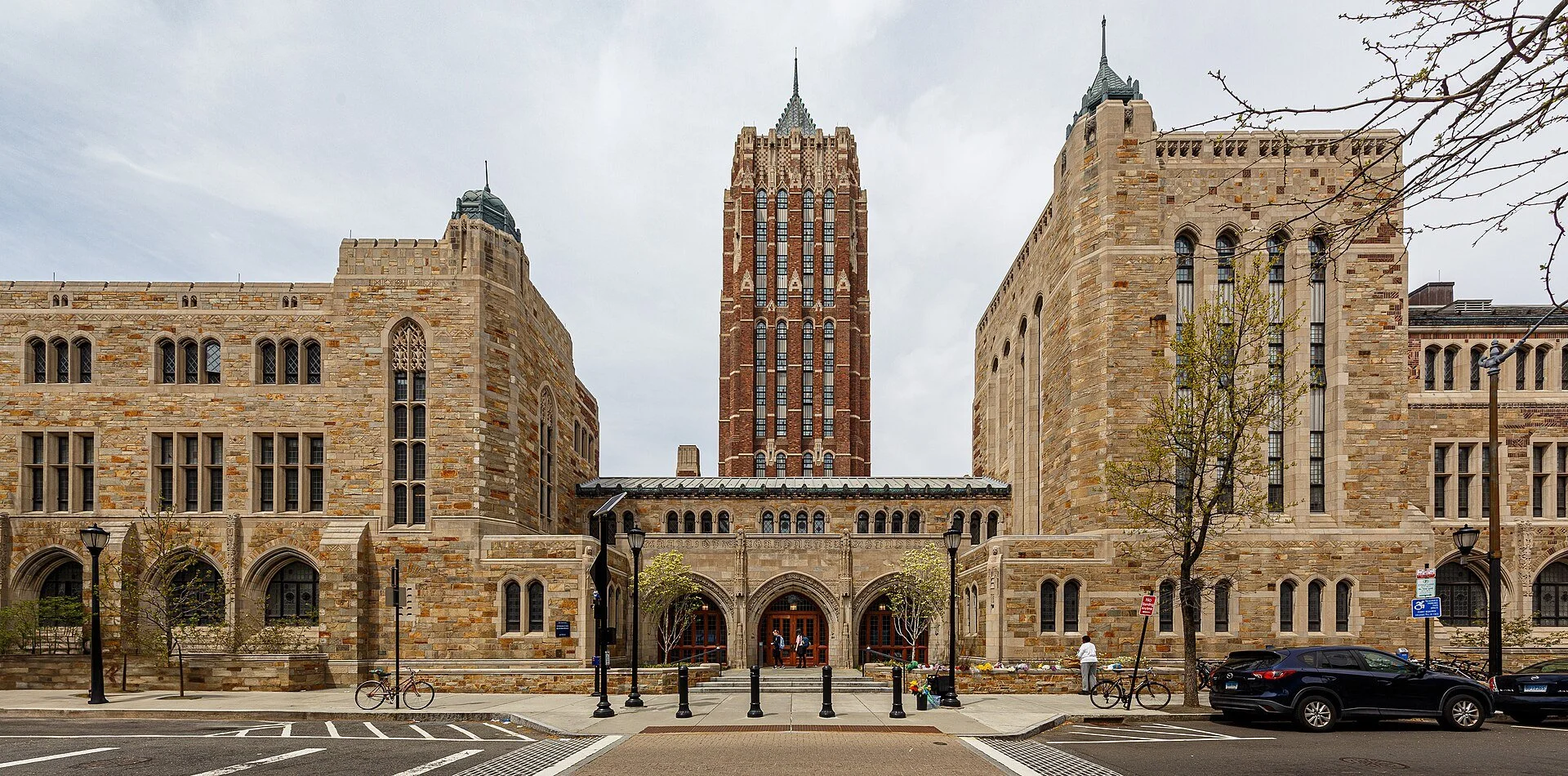
Where i got a chance
Yale Social Gerontology and Health Lab
-

Where I landed
Berkeley Psychophysiology Laboratory
-
Google Scholar
Publications